What soft washing can and cannot do in Lexington
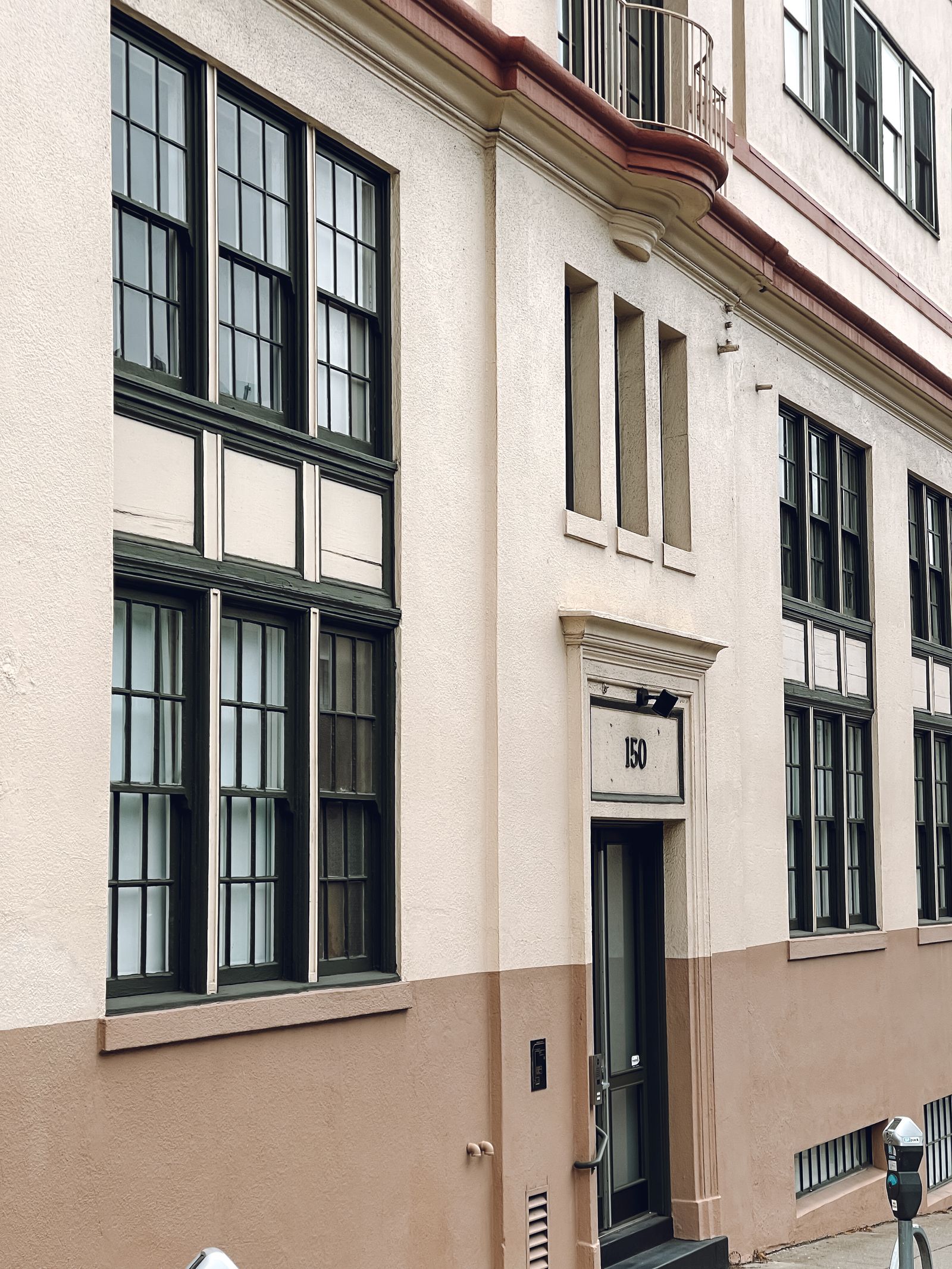
Soft washing generally combines a compatible solution, controlled dwell, and a measured rinse for a material and residue that can tolerate the process. It may fit organic film, pollen, bird residue, algae-like growth, and ordinary atmospheric soil on tested brick, concrete, stucco, EIFS, painted surfaces, and other compatible areas. Lower pressure does not remove the need for judgment. Dilution, dwell, sun, wind, temperature, rinsing, plant protection, glazing, metals, coatings, and mortar condition all affect the result.
Soft washing is not a universal answer for hard-water scale, efflorescence, oxidation, soot, embedded traffic film, construction residue, failing coatings, damaged limestone, or a wet path caused by a roof or downspout. A dark mark beneath a parapet may return if the moisture source remains. A test area can show whether the visible condition releases and whether the finish changes after drying. A credible quote says what appearance improvement is expected and refers repairs, restoration, glass polishing, or envelope investigation separately.
Where controlled pressure may fit
Pressure washing may suit selected durable concrete walks, curbs, loading aprons, service lanes, parking areas, or other tested hardscape when nozzle, distance, flow, direction, adjacent finishes, and drainage are controlled. It can help release adhered soil on an appropriate surface. That does not make pressure suitable for every facade. Excessive impact can etch concrete, erode mortar, drive water into joints, strip paint, disturb EIFS or stucco, damage sealants, or move dirty water beyond the intended zone.
A Hamburg retail property might use controlled pressure on a sound concrete service area while storefront frames, awnings, signs, landscaping, and glass receive another method. A downtown building may have a durable alley next to older brick, limestone trim, patio finishes, and tenant doors. A Nicholasville Road medical or office site may combine concrete parking edges with sensitive glazing, air intakes, and patient paths. Method selection should follow each zone's material and use, not one pressure number for the whole address.
- Test the substrate, coating, joint condition, and residue before increasing mechanical force.
- Keep limestone, brick details, glass, seals, air intakes, plants, vehicles, and occupied routes protected.
- Treat facade, entrance, hardscape, loading, and parking areas as separate method decisions.
- Separate routine washing from mineral removal, oxidation treatment, restoration, and repairs.
Identify the residue before choosing the machine
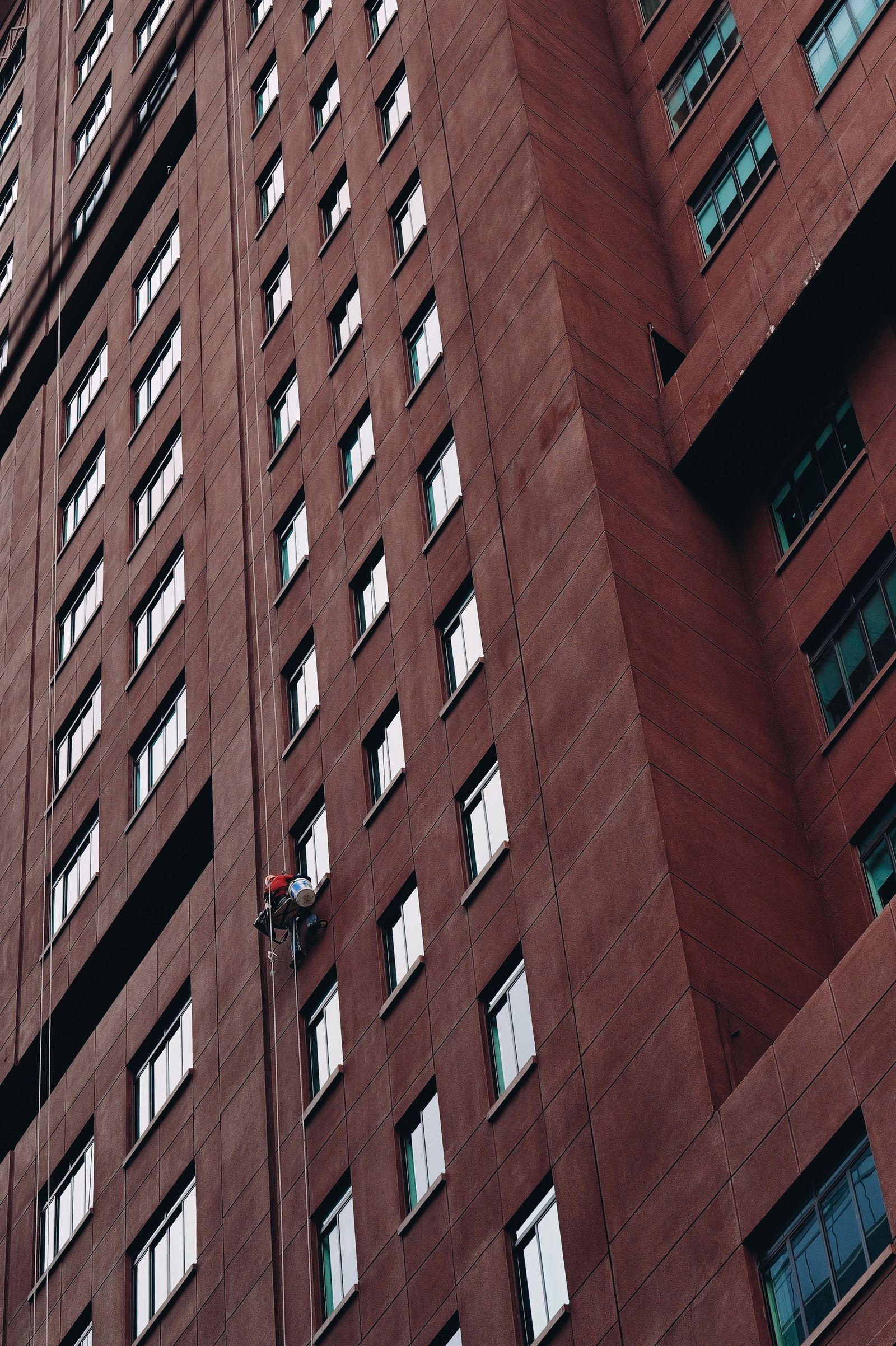
Pollen and loose dust may rinse differently from organic film. White crust may be mineral residue or efflorescence. A rust-colored line may be oxidation or runoff from a metal feature. Winter salt and grit may collect at lower walls, entrances, curbs, ramps, and parking-side elevations. A dark band can be road film or a recurring drainage path. Limestone can show deposits, repairs, and weathering that require a more careful evaluation than a generic facade wash. More pressure is not a diagnosis.
Inspect porosity, mortar, sealants, coatings, glazing, panel joints, previous repairs, and storm or winter exposure. Use a representative test area when the material history or stain response is uncertain. If the test indicates mineral scale, oxidation, embedded soot, damaged coating, or freeze-thaw movement, the responsible recommendation may be specialty treatment or repair rather than stronger force. The property team should receive an honest distinction between cleanable soil and a condition the wash cannot correct.
Compare methods with the Lexington operating day
A method that works beside an empty service yard may be a poor fit for an occupied downtown office, restaurant, hotel, Hamburg retailer, medical building, or horse-industry property. Lexington sites can have pedestrians, patios, customer peaks, deliveries, multiple entrances, accessible routes, patient drop-off, gates, trailers, equipment, and limited staging. The method affects noise, dwell time, hose routing, overspray, barriers, rinse volume, drying, and when a route can be handed back.
Ask the proposal to show the sequence by elevation or zone. Retail may favor pre-opening work. A clinic may need patient routes, emergency access, and HVAC intakes protected. Downtown work may need a spotter at a narrow frontage. A horse-related facility may require separation from animals, feed, tack, and private operations. A warehouse may need truck courts and shift changes coordinated. Surface suitability and operating suitability are both required before the method is approved.
Include humidity, storms, salt, and runoff in the comparison
Humidity, shade, tree cover, spring pollen, summer storms, and changing temperatures can affect dwell, drying, biological-looking film, and the visibility of streaks on Lexington facades. Sun-facing surfaces may dry quickly while covered entries and north walls remain wet. Winter salt and grit add a different lower-wall residue. Freeze-thaw movement can expose open mortar, cracked concrete, loose trim, or failed sealants. A cleaning plan should use the current forecast and observed condition rather than a fixed date that ignores the surface.
Both methods move water and removed soil. Compare water source, product, expected volume, slope, drains, low points, plants, doors, air intakes, vehicles, parking, public paths, and the actual discharge route. A storm inlet is not automatic permission for treated water or sediment to enter. The plan may require protection, diversion, collection, recovery, reduced rinse volume, filtration, disposal, or coordination with the responsible authority. Ask for a written runoff assumption and a stop condition when flow, wind, or weather differs from the site review.
- Review wind, lightning, precipitation, temperature, surface moisture, drying, and winter icing risk.
- Look for salt and storm residue at entrances, curbs, ramps, loading areas, and lower walls.
- Map drains, low points, landscaping, public routes, air intakes, and neighboring property.
- Document recurring water paths so cleaning is not used as a substitute for drainage or envelope repair.
Compare access, including drone assistance
A lift offers close inspection and contact detail but needs a stable setup, travel path, staging, and protection for sidewalks, plants, vehicles, and parking. A water-fed pole can reach windows efficiently while missing recesses or bonded deposits. A drone may support broad upper wetting or rinsing only when wind, airspace, stand-off distance, visual control, launch space, public separation, and drainage line up. It cannot squeegee, scrape, brush, polish, repair a joint, or turn an unsuitable surface into a suitable one.
Lexington hospitals, campuses, utilities, trees, rooftops, active roads, events, and dense parking can change aerial feasibility. Commercial operators must follow applicable FAA requirements, and sensitive facilities may have additional site rules. Ask which elevations are aerial, lift, pole, roof-access, or hand-detail zones and what fallback method applies if weather, airspace, access, or finish requirements change. A hybrid plan is often more precise than forcing one tool across every elevation.
Turn the comparison into a defensible Lexington quote
A useful quote identifies material and soil by zone, proposed method, test-area assumptions, access, protection, water and runoff controls, weather limits, operating window, expected appearance, exclusions, fallback access, and closeout photos. It should state whether mineral deposits, oxidation, construction residue, graffiti, damaged coatings, failed joints, glass restoration, or repairs are separate work. This makes bids easier to compare and gives the facilities team a practical record of why a method was selected.
For a Lexington property, include downtown frontage, Hamburg or Palisades customer movement, Nicholasville Road traffic, medical or horse-industry rules, limestone or brick condition, humidity, storms, winter salt, water access, drainage, parking, loading, security, and preferred work windows. Send the address, photos, approximate height, materials, visible stains, and priority outcomes. Call +1 239-351-2897, email contact@dronebuildingcleaners.com, or use the existing quote/contact CTA. Drone Building Cleaners can explain where soft washing, controlled pressure, contact work, aerial support, specialty treatment, or a repair referral fits.