Read the Lexington facade before choosing a wash
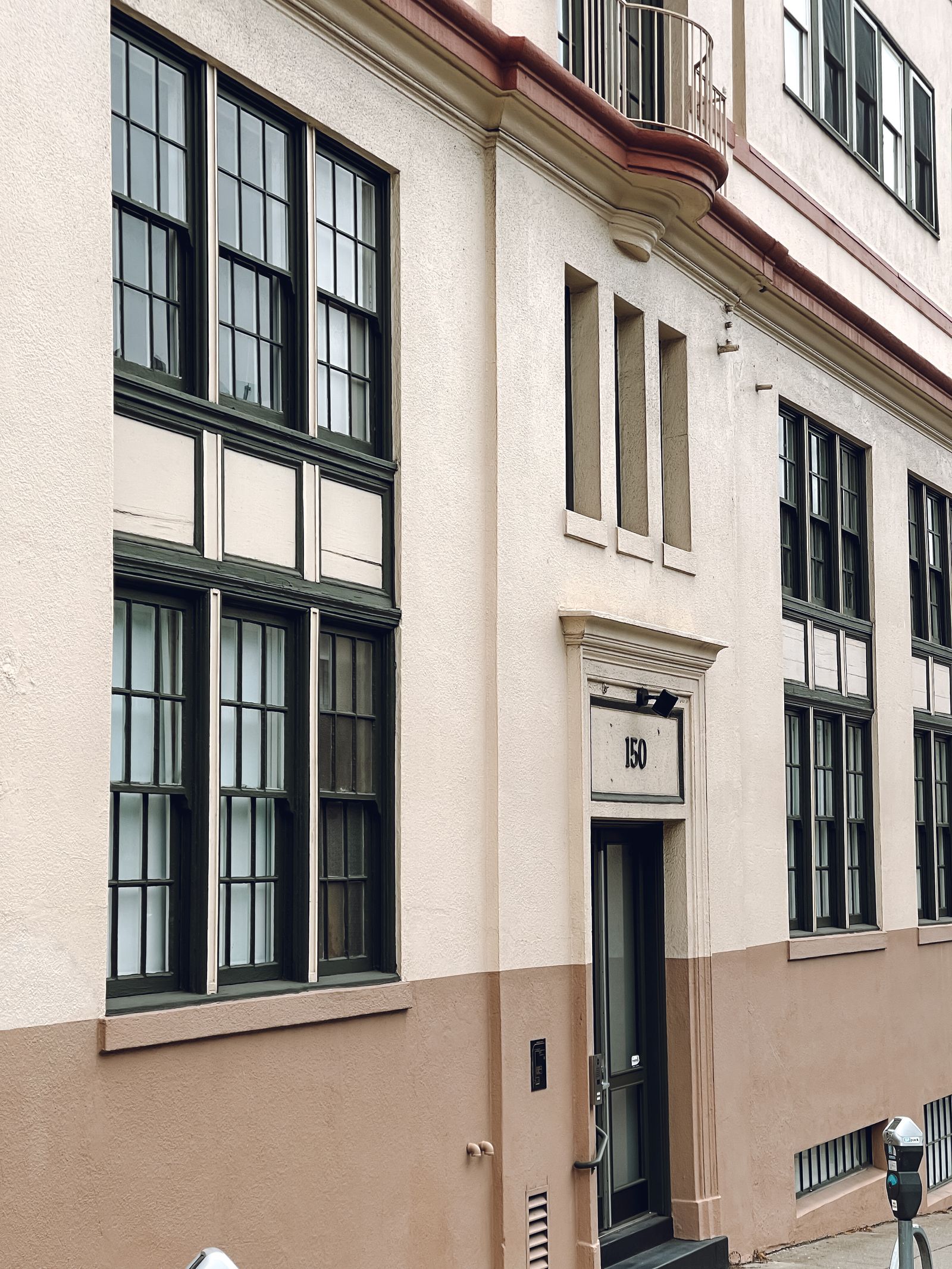
Lexington commercial properties commonly combine brick and mortar, limestone, cast stone, concrete, precast, EIFS, stucco, painted panels, metal, glass, tile, canopies, signs, and sealants. A downtown building may place older masonry and decorative trim beside storefront glazing and neighboring doors. A Nicholasville Road office or medical property may combine broad walls with patient, visitor, employee, and parking routes. Hamburg and Palisades retail sites can add monument signs, drive lanes, landscaped islands, loading areas, and multiple tenants. A horse-related commercial property may have offices, barns, covered entries, wash areas, gates, and equipment zones. Each material needs its own review of chemistry, dwell, rinse, protection, and expected finish.
Soft washing may improve compatible organic growth, pollen, bird residue, and atmospheric film when the surface and condition support it. It does not repair cracked limestone, open mortar, spalled concrete, failed sealant, damaged glazing, corroded metal, leaking roof details, or a failing coating. A dark streak may be traffic film, organic soil, oxidation, or a recurring downspout path. White deposits may be mineral residue or efflorescence. A test area and dry inspection can establish what routine cleaning is likely to improve. The quote should separate facade washing from glass restoration, mineral treatment, coating work, restoration, and repairs.
- Separate limestone, cast stone, brick, mortar, concrete, EIFS, glass, metal, coatings, and repaired areas.
- Distinguish pollen, organic film, traffic residue, minerals, oxidation, salt, and drainage marks.
- Use a representative test area when material history or stain response is uncertain.
- State what remains outside routine washing, including leaks, joint failure, and facade repairs.
Plan downtown, Hamburg, Palisades, and Nicholasville Road access
Downtown Lexington work can occur beside sidewalks, restaurant patios, storefronts, offices, apartments, deliveries, events, and closely spaced entrances. The exact block determines staging, hose routing, pedestrian separation, accessible travel, and whether an entrance can remain open. A property contact should identify tenant hours, event dates, loading windows, security rules, and the person authorized to pause the work. A phased sequence may keep a primary entrance available while another elevation is cleaned and handed back.
Hamburg and Palisades retail properties add customer parking, drive aisles, shopping peaks, monument signs, landscaping, delivery traffic, and tenant-specific opening times. Nicholasville Road brings busy frontage, medical and office activity, restaurants, hotels, and limited tolerance for blocked routes. A medical building needs patient drop-off, emergency access, accessible doors, and HVAC intakes considered. A horse-industry or agribusiness property may need gates, trailers, equipment, biosecurity rules, and animal areas kept separate from the work zone. The quote should describe the operating assumptions instead of treating the address as an empty wall.
Account for limestone, humidity, storms, and winter salt
Central Kentucky's humid periods, shade, mature trees, spring pollen, and frequent wetting can make biological-looking growth and film more visible on north-facing walls, roof edges, covered entries, and sheltered details. Sun, temperature, and wind change dwell time and drying across limestone, glass, metal, and painted surfaces. Traffic and parking activity can add a lower band of road film, while irrigation or a misdirected downspout can reproduce a stain after cleaning. A recurring program should follow exposure and observed resoiling rather than promise a fixed result or interval.
Thunderstorms, lightning, gusts, heavy rain, and fast-changing forecasts affect spray control, runoff, aerial stability, and public safety. Winter salt and grit can collect at entrances, curbs, ramps, parking-side walls, and loading areas. Freeze-thaw movement may expose open joints, cracked coatings, loose trim, or damaged concrete that washing cannot correct. Before staging, review wind, precipitation, lightning, temperature, surface moisture, drying, and the handback condition for sidewalks and ramps. If water travels differently than expected or the weather changes, pause, secure the area, and reassess.
Use access that fits the elevation and Lexington site
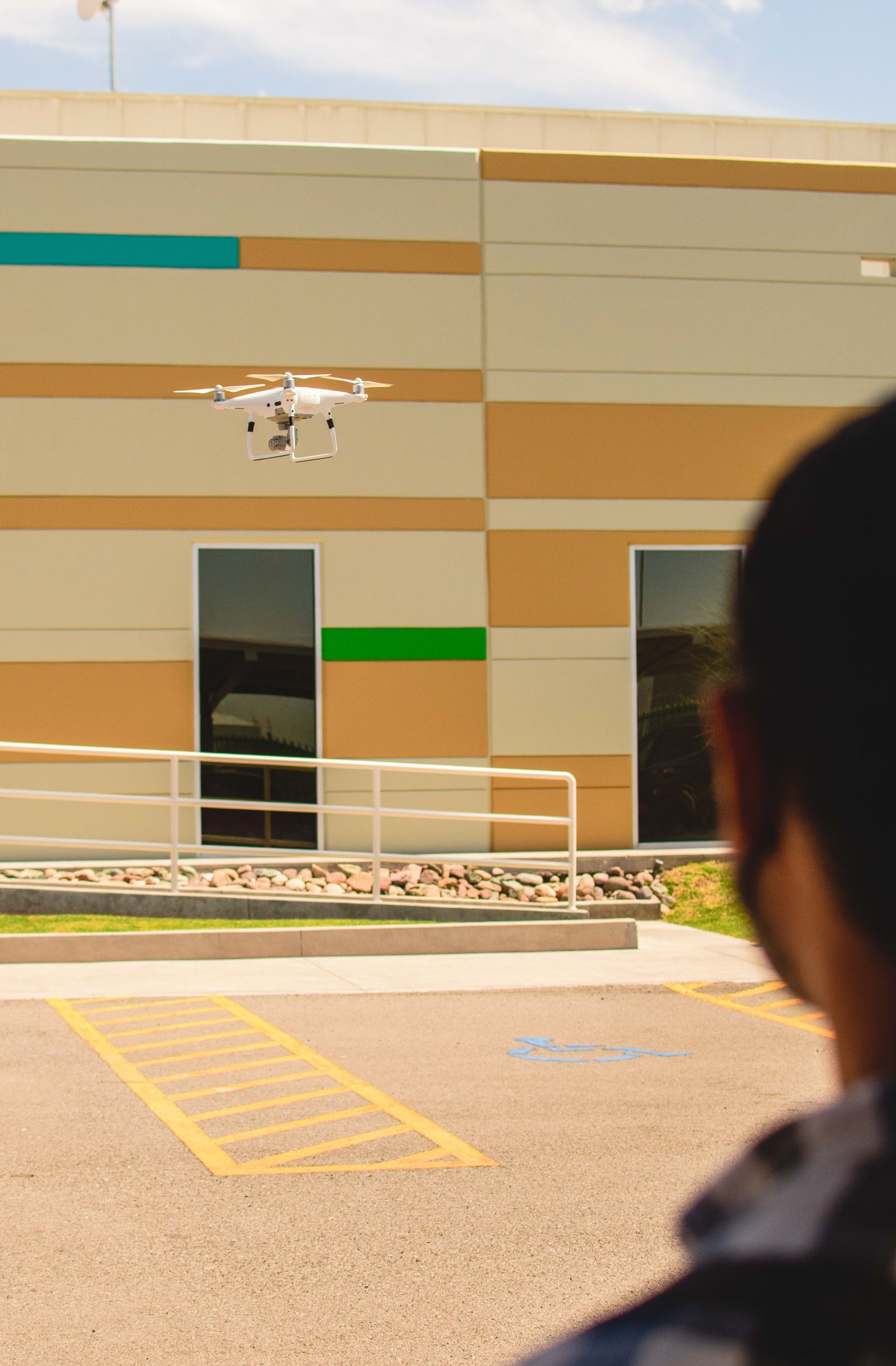
Drone-assisted application or rinsing may support a broad, compatible upper elevation when stand-off distance, visual control, wind, launch space, water access, public separation, and drainage all work together. It may reduce some lift repositioning on a tall office, hotel, warehouse, or retail wall. It is not a replacement for every contact task. Windows that need squeegee detail, bonded minerals, recessed trim, brushing, scraping, polishing, close inspection, or repairs may still require a pole, lift, roof-access method, or hand work.
Lexington sites can include utility lines, trees, rooftop equipment, active roads, dense parking, hospitals, campuses, events, and restricted areas. Commercial drone operations must follow applicable Federal Aviation Administration requirements; property permission does not replace aviation rules or required authorization. A responsible scope identifies aerial and non-aerial zones, ground controls, wind limits, stop triggers, and the fallback method. A hybrid plan can use aerial support on a compatible upper wall while keeping entries, glass, canopies, lower elevations, and detailed limestone under direct control.
Make runoff and protection part of the quote
Before work begins, map sidewalks, accessible routes, doors, air intakes, cameras, signs, vehicles, landscaping, irrigation, low points, parking decks, loading areas, and storm inlets. Downtown entrances may need a spotter. Retail sites may need barriers that protect shoppers and vehicles. Medical properties may require facilities coordination around patient paths and mechanical equipment. Horse-industry properties may need separation from animals, feed, tack, trailers, and private gates. Hose routing, public separation, and a clear handback should be agreed before water is introduced.
Water-management decisions depend on product, removed soil, rinse volume, slope, drains, low points, landscaping, and the observed discharge route. A visible storm inlet is not automatic permission to send wash water into it. Protection, diversion, collection, recovery, reduced rinse volume, filtration, disposal, or coordination with the responsible authority may be appropriate. The property and contractor should state assumptions and a pause condition if flow differs from the plan. Closeout should document completed elevations, controls removed, access returned to service, and deposits or repairs left outside scope.
- Locate drains, low points, landscaping, irrigation, entrances, intakes, vehicles, and hose crossings.
- Coordinate shoppers, patients, tenants, employees, deliveries, accessible routes, and emergency access.
- State runoff assumptions and pause triggers before the rinse begins.
- Record completed areas and any mineral, coating, masonry, or envelope issue needing another trade.
Request a Lexington scope tied to the property
A one-time cleaning may support a tenant opening, property tour, ownership visit, medical-office refresh, retail presentation, event, inspection, or seasonal reset. Prioritize the entrance, sign band, canopy, public-facing elevations, and areas visible from the street or parking lot. A phased visit can address high-visibility zones first while keeping a working property open. Recurring maintenance may make sense where shade, pollen, humidity, traffic film, irrigation, or brand standards create predictable resoiling, but the interval should follow evidence and budget.
Send the address, wide and close photos, approximate height, materials if known, priority elevations, desired result, preferred dates, water access, drainage concerns, tenant or patient restrictions, delivery windows, and event dates. Prior cleaning records, repair notes, drawings, and information about sensitive equipment help with the first review. A Lexington commercial soft-washing quote should state zones, method, access, protection, water assumptions, weather limits, expected finish, exclusions, and closeout documentation. Call +1 239-351-2897, email contact@dronebuildingcleaners.com, or request a quote through the existing contact CTA.